3D Visualization
What is 3D Furniture Visualization and How Furniture Brands Can Present Their Products More Effectively
What exactly is 3D furniture visualization and how it is created? Why is 3D visualization particularly valuable for the furniture industry?
- By
- By Design Studio Pro
- Published
- 8 min read
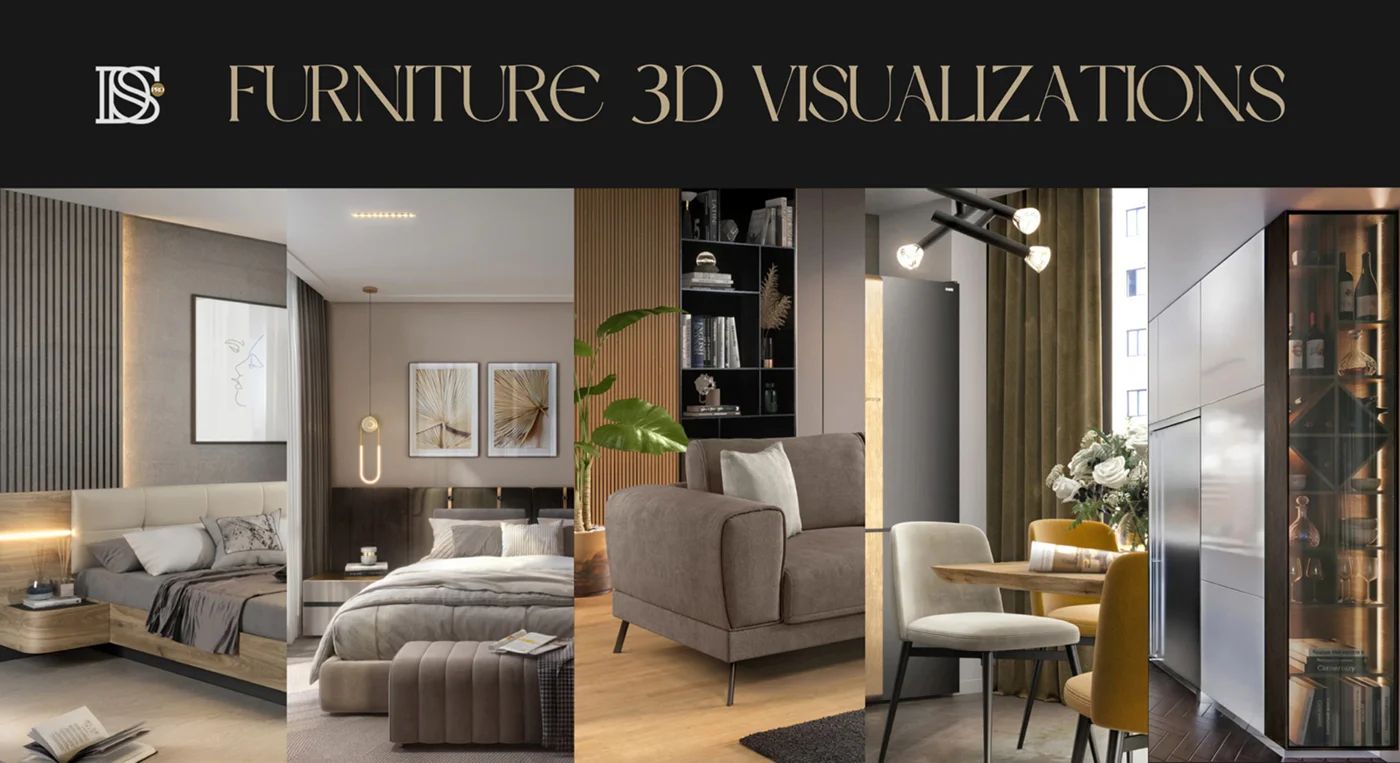
In today's competitive furniture market, the way products are presented plays a vital role in a customer's purchasing decision. An increasing number of consumers research online, compare models, examine colors and materials, and look for additional visual information before making a choice. Even when a purchase is made in a physical store, the first impression is often formed in a digital environment.
When browsing a modern furniture catalog or online store, you have likely noticed that the products look flawless – perfectly lit, placed in stylish interiors, with distinct wood textures and immaculate upholstery seams. In most cases, these are not photos from a physical studio, but 3D visualizations. But what does this process actually entail, how is a sofa or table built in digital space, and why are more and more manufacturers relying on it? Let's clear up the "mystery" around computer graphics and look step-by-step at how a professional furniture render is created.
1. What Exactly is 3D Furniture Visualization?
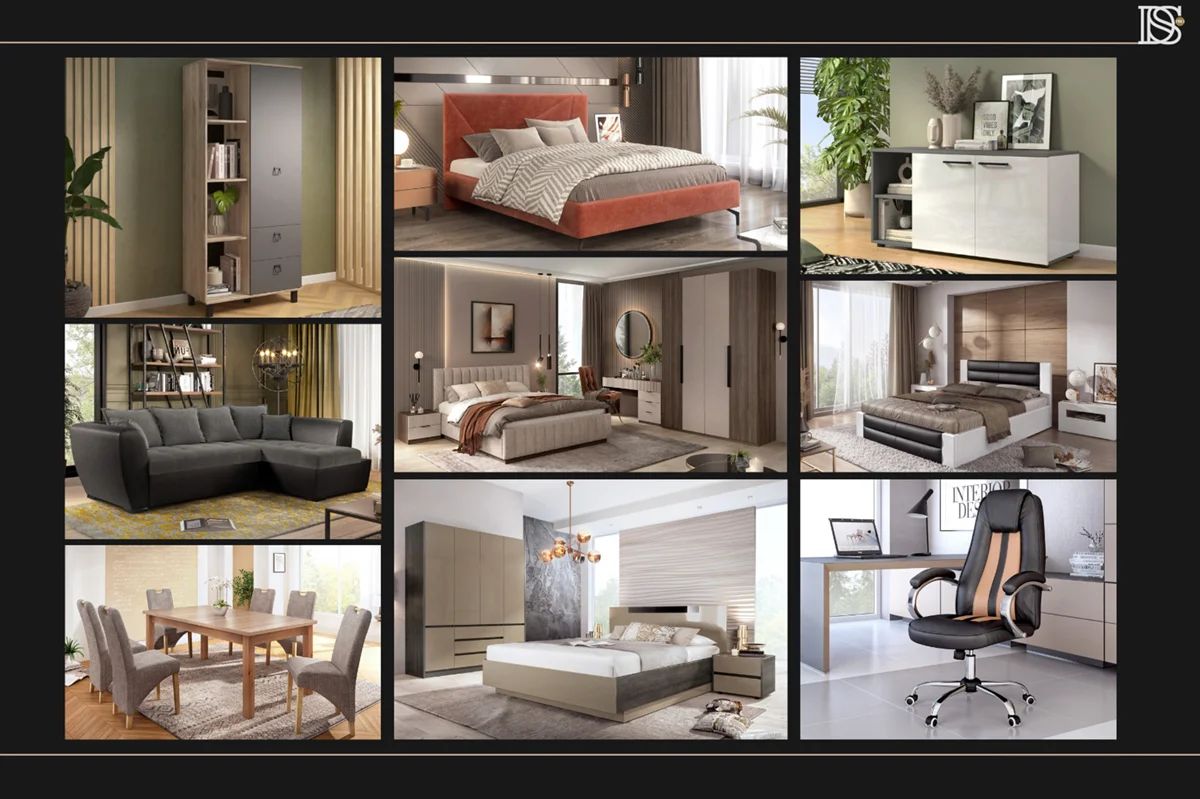
Simply put, 3D visualization is the process of creating a three-dimensional digital model of an object and presenting it in a way that looks like a real, high-quality photograph.
Unlike a regular drawing, a 3D model has volume, depth, and geometry. It exists in a virtual space where we can "walk" the camera around, change angles, experiment with lighting, and apply various materials (from genuine leather and fine linen fabric to solid oak and polished metal).
2. What Do We Need to Get Started? (Input Data)
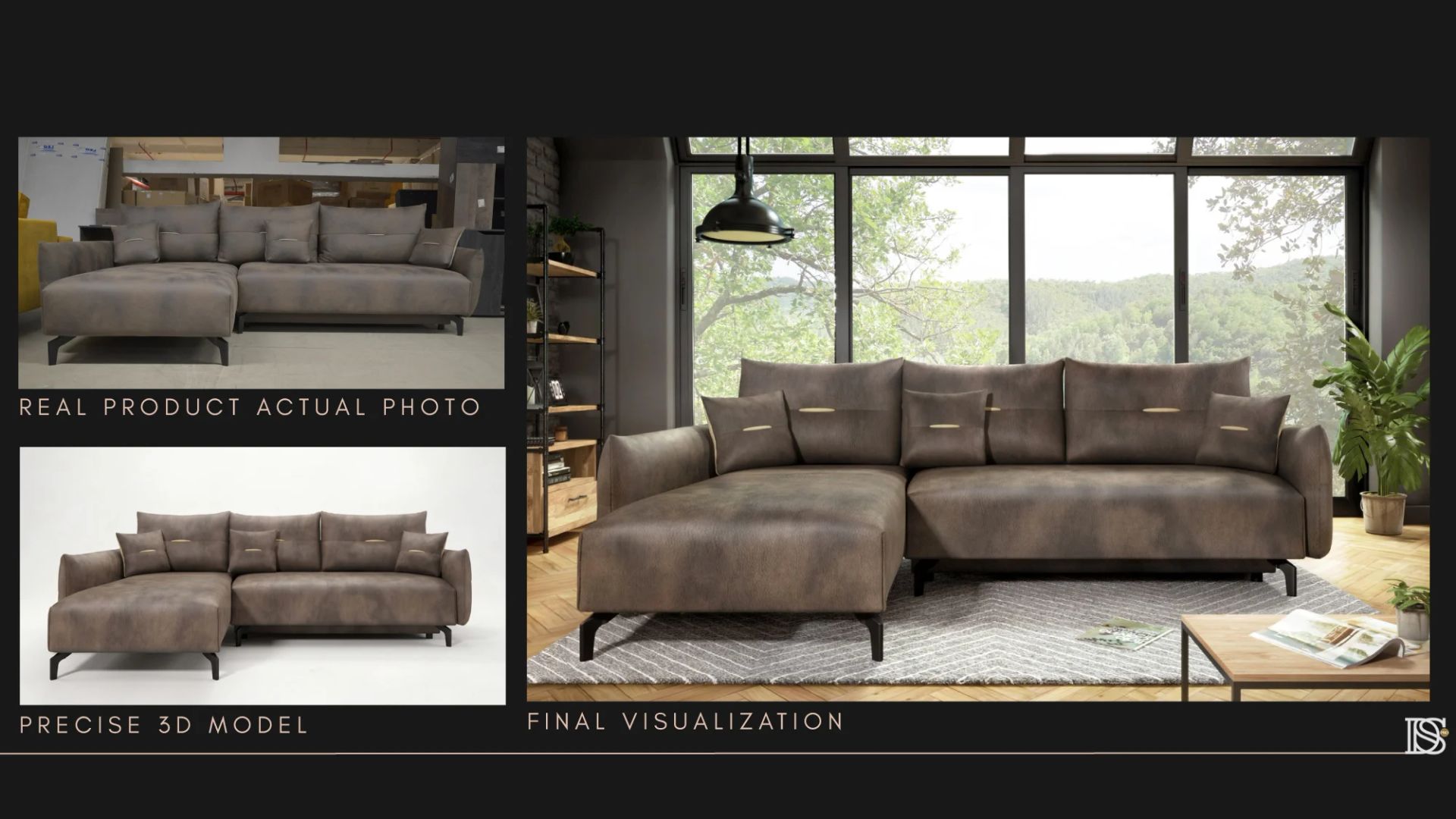
One of the most frequent questions from furniture manufacturers is: "Do the furniture pieces need to be physically produced before we can visualize them?" The answer is a definitive no.
To begin work on a 3D project, the following information is needed:
- Technical or dimensional drawings.
- Material samples (physical samples or links to online catalogs of fabrics, leathers, or catalog numbers of laminates/particle boards/MDF to achieve absolute color accuracy).
- Sketches or conceptual ideas (if the product is entirely new).
- A photo, even one taken with a phone (if at least 1 unit of the product has been produced).
- (Optional) Existing CAD files from engineering programs.
3. How is 3D Visualization Made? (The Process: Step by Step)
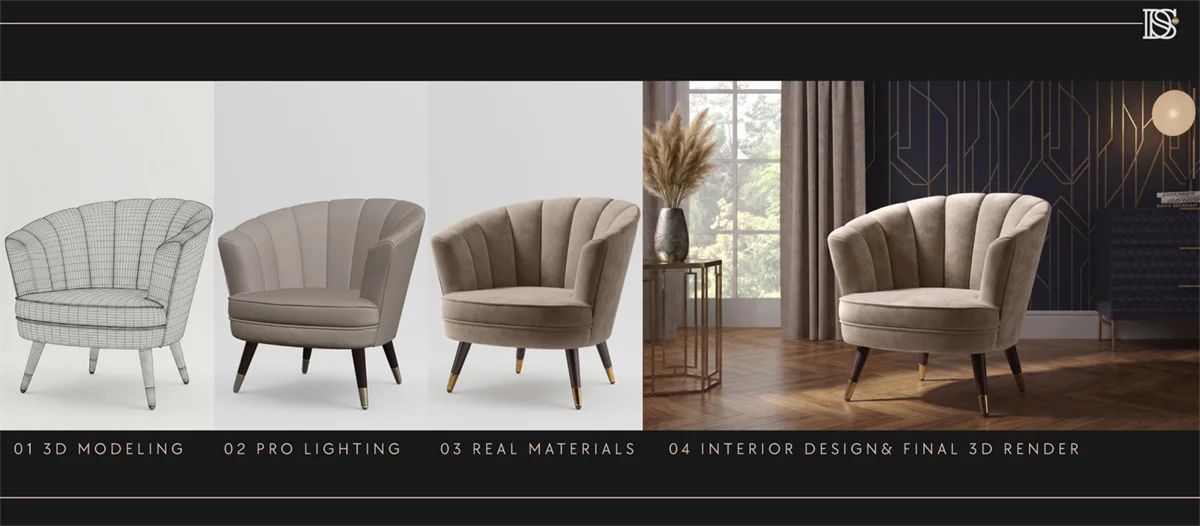
Creating a professional product render is not just a matter of pressing a button; it is a technological process that goes through several key stages:
Stage 1: Polygonal 3D Modeling
This is where the "skeleton" of the furniture is built. Using professional software (such as 3ds Max), the designer sculpts every shape – the curve of the armrest, the depth of tufting, the forms of drawers. Every line and surface is projected according to specified dimensions and created to match real physical products. With furniture, even small differences can affect the final result. Therefore, modeling requires knowledge of product specifics, precision, and attention to detail to accurately reproduce form, proportions, construction, and characteristic details.
Stage 2: Texturing and Materials (Shading)
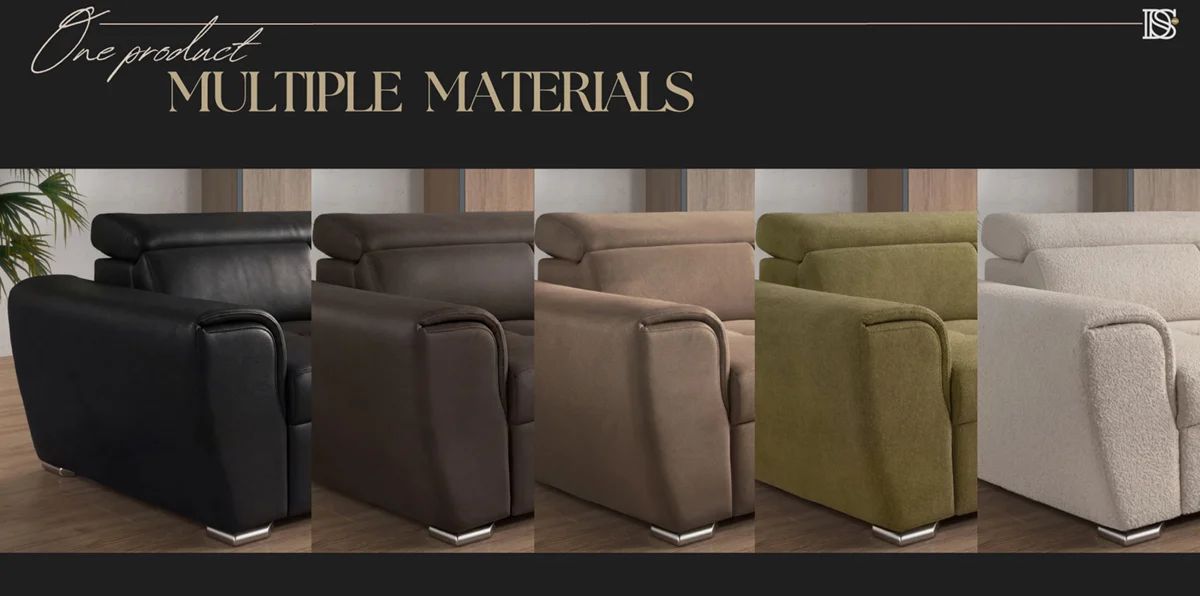
Even a perfect model would look like a plastic toy without the correct materials. This stage involves creating materials, textures, and finishes – fabrics, wood grains, metal, glass, plastic, MDF, particle board, HPL, laminates, and others, meticulously matched to physical or online samples from manufacturers' catalogs. Here, it is important to recreate not only colors but also how different surfaces react to light, which is why physical surface properties are set:
- How glossy or matte is the leather or wood grain on the table?
- How exactly does light refract through the upholstery fabric, and what is its exact structure?
- Are there fine reliefs, roughness, and texture on the kitchen panels and countertop?
Careful reproduction of fabric texture, metal reflections, or wood structure contributes to the realistic appearance of the product.
Stage 3: Building the Interior Environment (Scene)
If the visualization is interior-based (a lifestyle render), a virtual room is built around the furniture – walls, windows, floor, architectural details, and appropriate decorative elements (lighting fixtures, rugs, plants, accessories) that stylishly highlight the product's design without distracting from it, creating an impression for the customer of how it would look in a real environment and sparking the desire to buy.
Stage 4: Virtual Lighting (Lighting)
This is the "magic" that distinguishes amateur graphics from a professional render. Specialized rendering engines (such as V-Ray) are used to simulate the behavior of real light in nature – soft shadows from the window, reflections from lamps, glass refractions, and natural light dispersion in the room, resulting in a photorealistic image.
Stage 5: Final Rendering and Post-production
Once the camera and lighting are in place, the computer "calculates" (renders) the image in high resolution. The file then goes through final processing (in Photoshop) where contrast, color balances, and detail clarity are adjusted to achieve the ultimate commercial look. A quality result depends not only on the software used but also on professional expertise, good communication, and attention to detail.
Final images are delivered in preferred views, sizes, and formats. Depending on the project, they can be prepared for online stores, product catalogs, print materials, billboards, advertising campaigns, and other marketing applications.

4. How to Successfully Plan a 3D Visualization Project?
Good preparation saves time and helps achieve a better result. Before starting the project, it is useful to clarify a few main things:
- Which products need to be visualized? Determine the product series, models, and priority items.
- What images are needed? Clarify whether images on a white background (studio), different viewpoints, detail shots, or interior scenes are required.
- Which variants need to be shown? Prepare information on colors, materials, finishes, and possible configurations.
- What references can you provide? Gather photos, dimensions, drawings, product specifications, catalogs, and material samples.
- Where will the images be used? Their purpose determines the required sizes, formats, composition, and visual style.
The more clearly these requirements are defined at the beginning, the easier it is to organize the workflow and achieve a result that meets real business needs.
5. Why is 3D Visualization Especially Valuable for the Furniture Industry?
With furniture, appearance, proportions, and construction are directly linked. The customer in front of the screen needs to see not just a pretty picture, but real details and the way the product would live in their home. Professional 3D visualization provides complete control over this presentation:
- Precise and True-to-Life Detailed Representation
The form, proportions, fabric, seams, edges, and hardware fully match the actual product. When the buyer cannot physically touch the material, this accuracy gives them the confidence to order without hesitation.
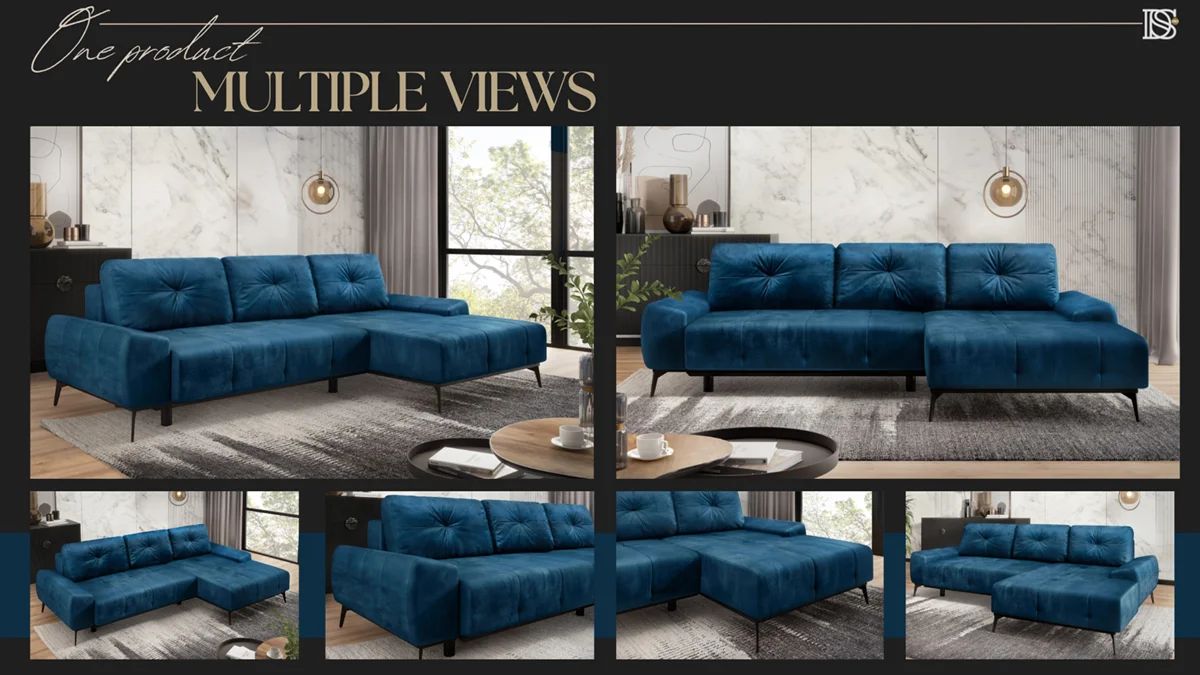
- Multiple Views from a Single Model
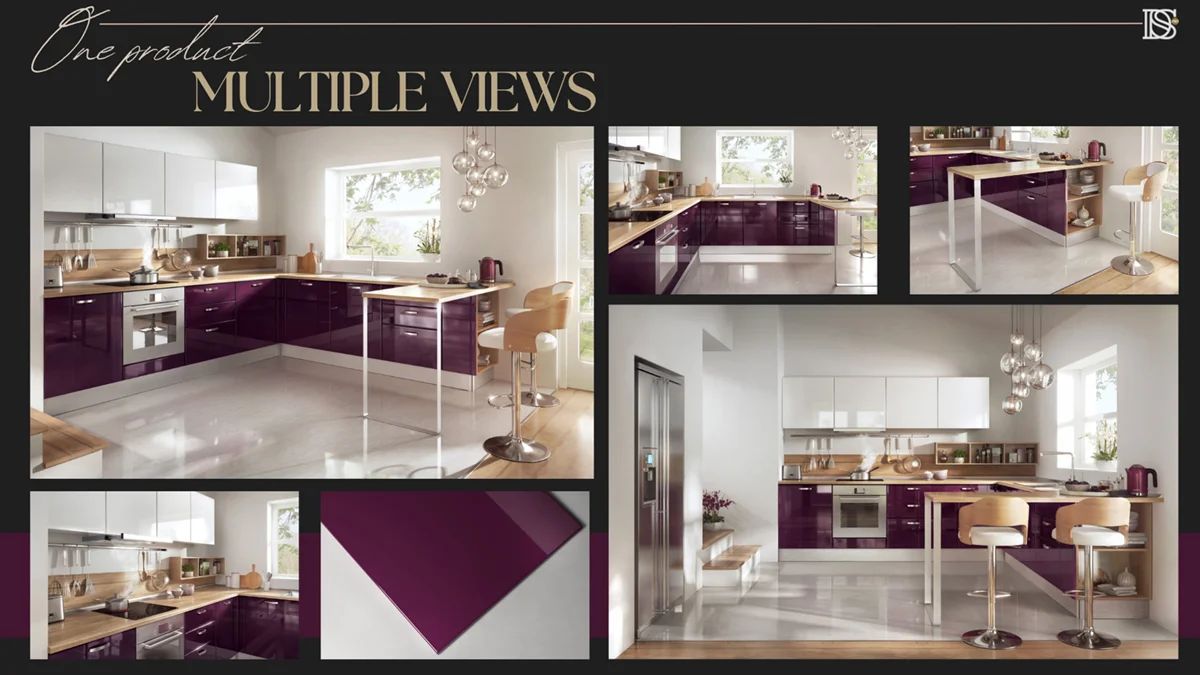
A multitude of images originate from a single digital model: frontal and side views, general perspectives, and close-ups of details and material textures. This ensures a comprehensive presentation and a unified vision, making it especially useful for online stores and product catalogs to facilitate comparison, choice, and purchase decisions.
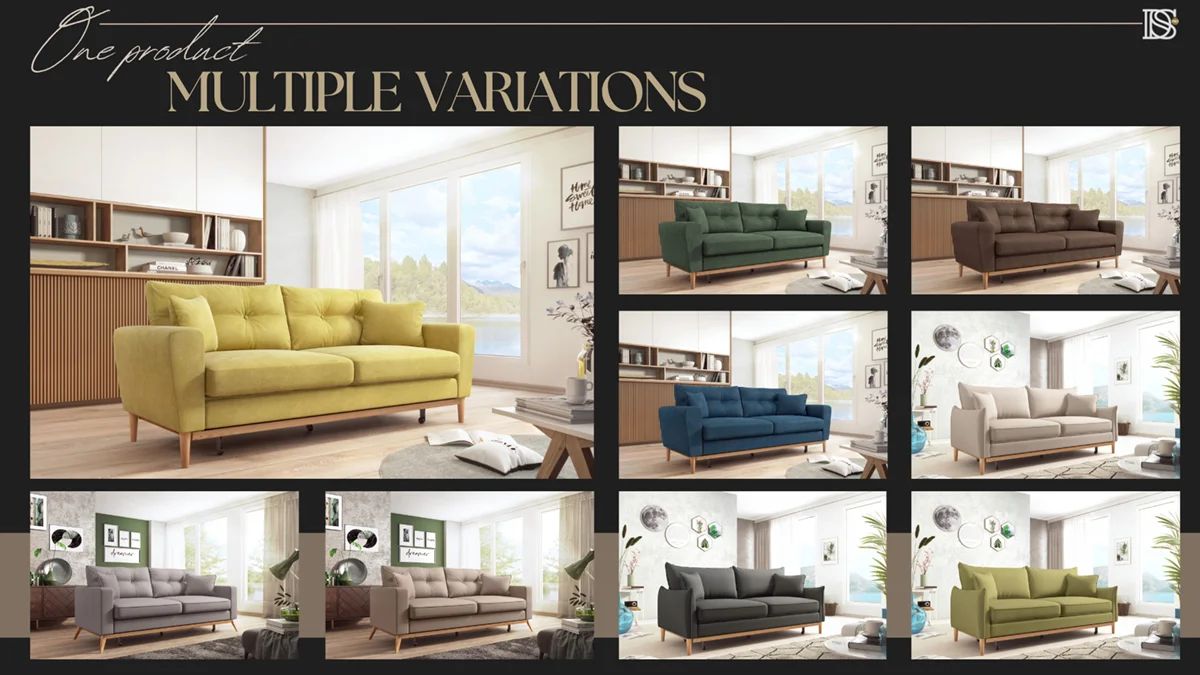
- The Full Range of Different Materials, Colors, and Finishes
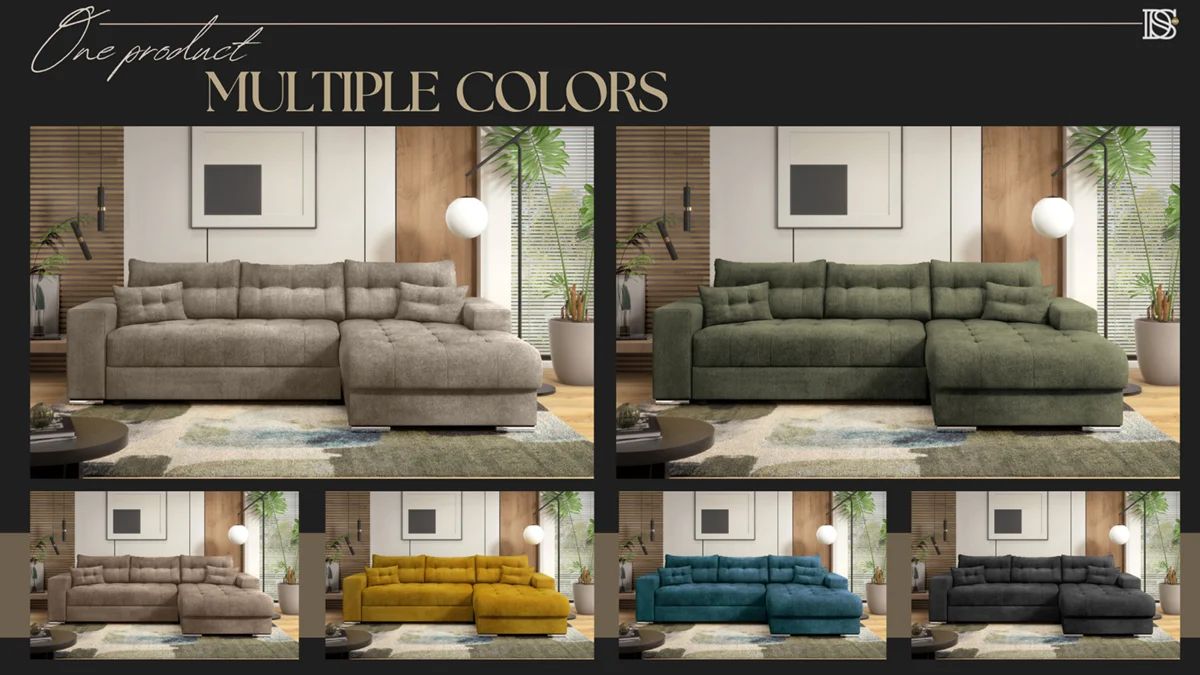
Furniture is frequently offered in multiple color and material options. Fabrics, leathers, wood finishes, lacquers, and metal elements can be changed directly on the finished model, calibrated to real specifications. This allows the brand to showcase the full richness of its assortment without producing a physical prototype for every color.
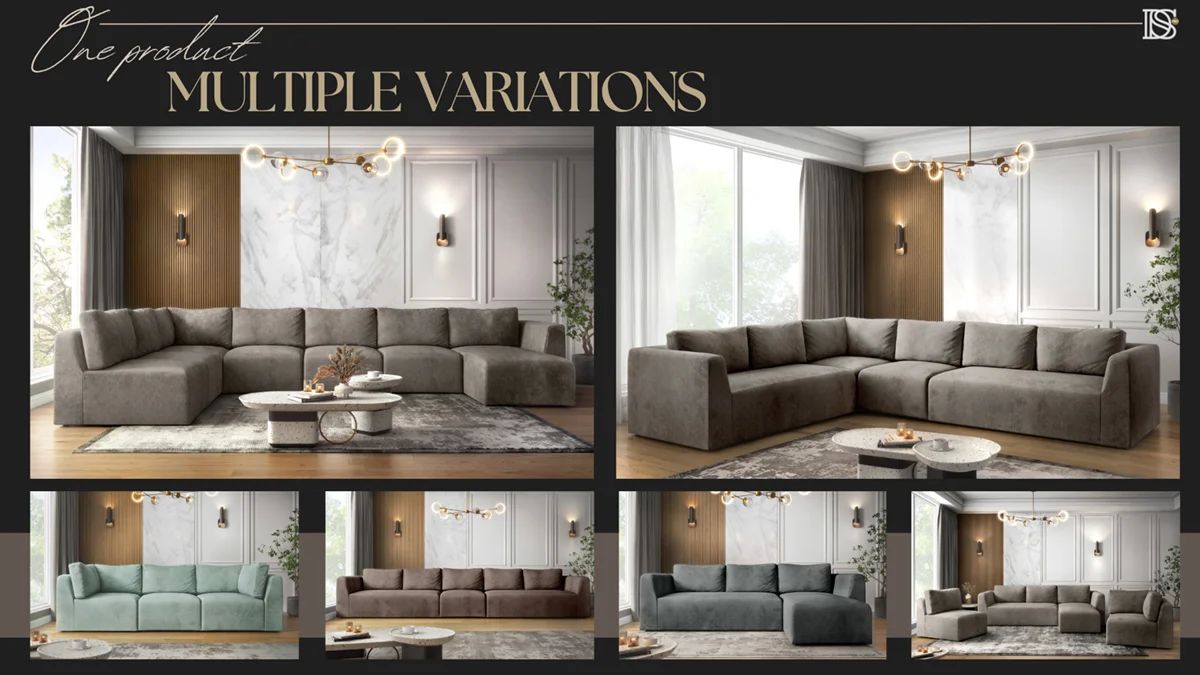
- Clarity in Modular Configurations and Functional Variants
Many furniture series include modular or configurable products. For sofas with left or right corners, varying numbers of modules, additional functional elements, or pull-out mechanisms, 2D diagrams often cause confusion. 3D visualization makes it easy to clearly display every configuration and the change in volume according to the customer's choice.
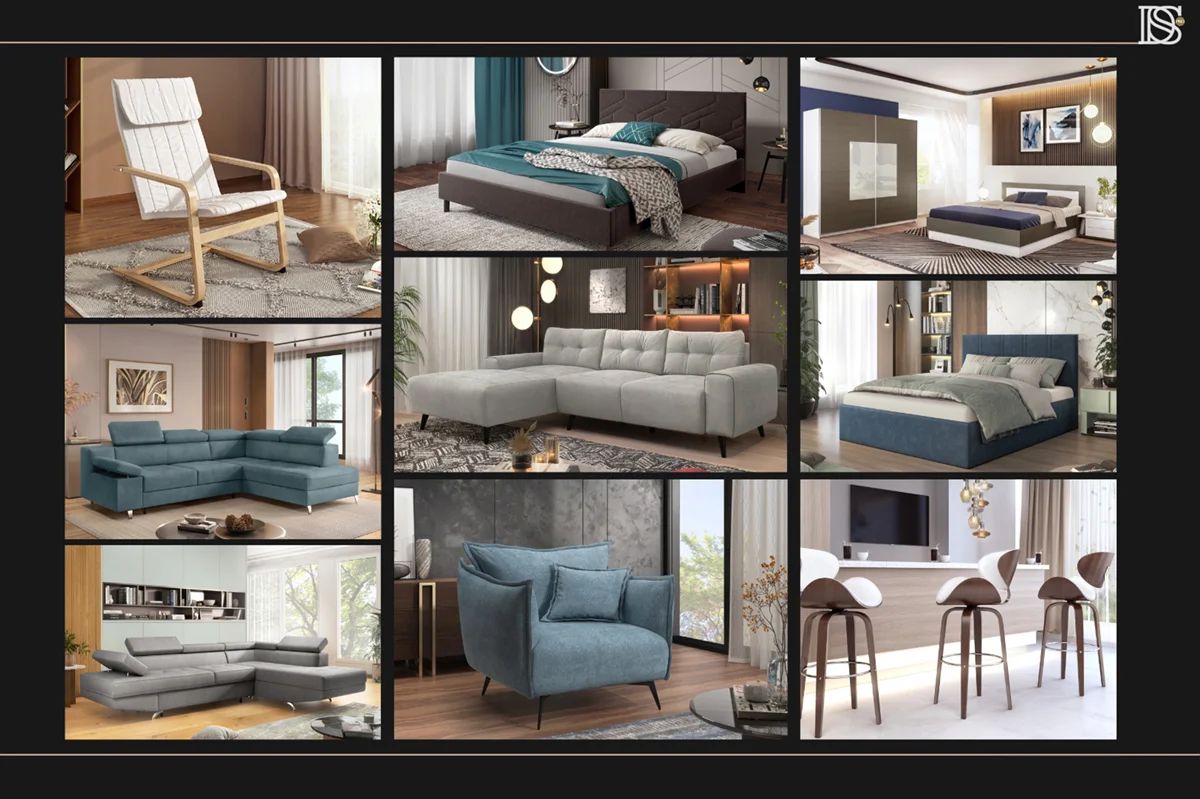
- Photorealistic Interior Scenes That Show Scale
Aside from product images on a studio background, 3D visualization allows the creation of interior and lifestyle images. Furniture can be presented in a suitable living room, bedroom, or other environment that highlights its design and purpose. This gives the customer a better sense of scale, style, and how the product fits into an interior. Lifestyle shots help the buyer instantly feel the real dimensions and atmosphere of the furniture, triggering the desire to purchase.
6. How Furniture Brands Can Present Their Products More Effectively
Precision and consistency in product presentation, alongside the ability to produce numerous 3D renders from a single 3D model (images with different viewpoints, materials, colors, configurations, and interior settings), are the core advantages that have made 3D visualization a preferred working method and standard in the furniture sector. It enables a furniture factory to showcase a new collection to the market months before it enters mass production, saving time, logistics, and unnecessary expenses.
At Design Studio Pro, we combine over 20 years of experience in 3D design and product visualization, turning projects into captivating visual stories. Over the years, we have specialized in precise 3D furniture modeling and photorealistic presentation, having created over 3,000 3D models and more than 10,000 visualizations during our long-term collaboration with one of Bulgaria's largest online furniture stores – Furniture Videnov (Vellea Global).
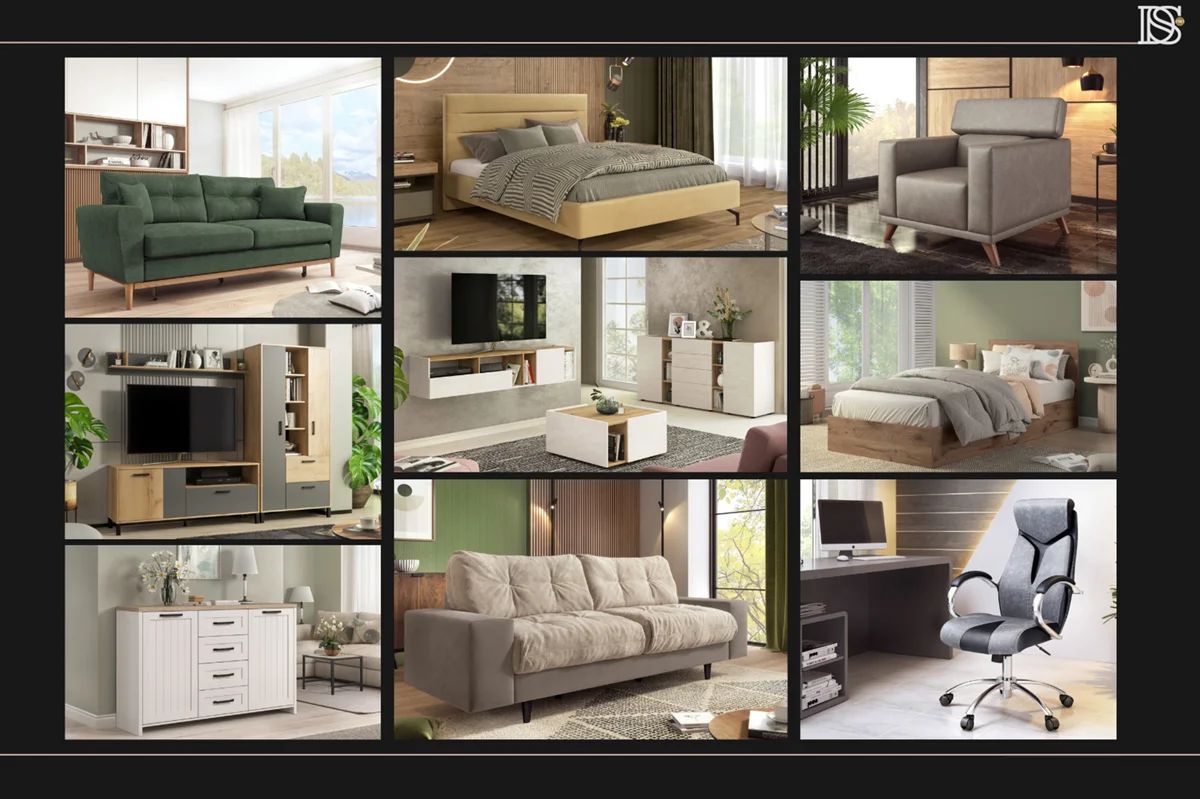
We have practical experience in the detailed presentation of all furniture categories: from upholstered furniture, kitchens, and case goods to office furniture, children's rooms, bedrooms, and garden sets.
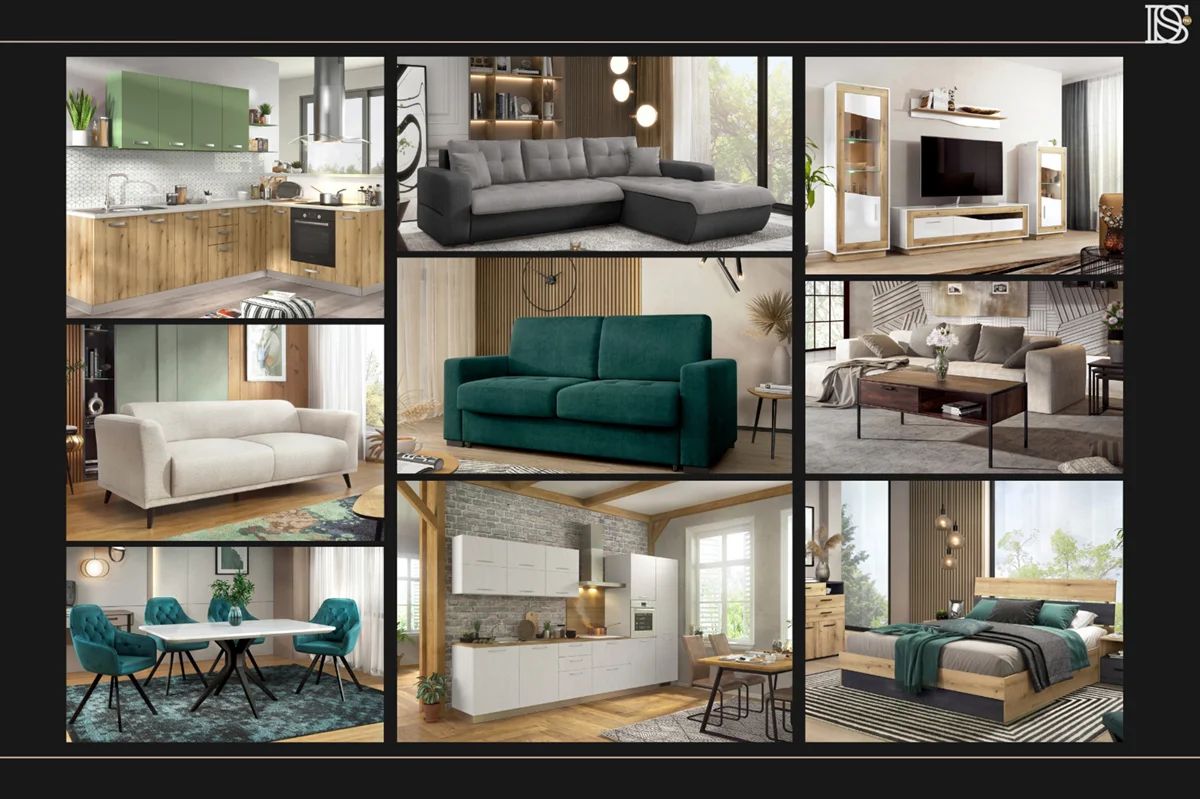
At Design Studio Pro, we offer the following services:
- Precise 3D furniture modeling
- Photorealistic product visualizations
- Interior and lifestyle images
- Visualizations of various materials, colors, and finishes
- Presentation of modular and configurable furniture
- Studio images from various viewpoints
The goal is for every product to be presented accurately, consistently, impactfully, and in a way that meets the manufacturer's requirements and the end customer's expectations.
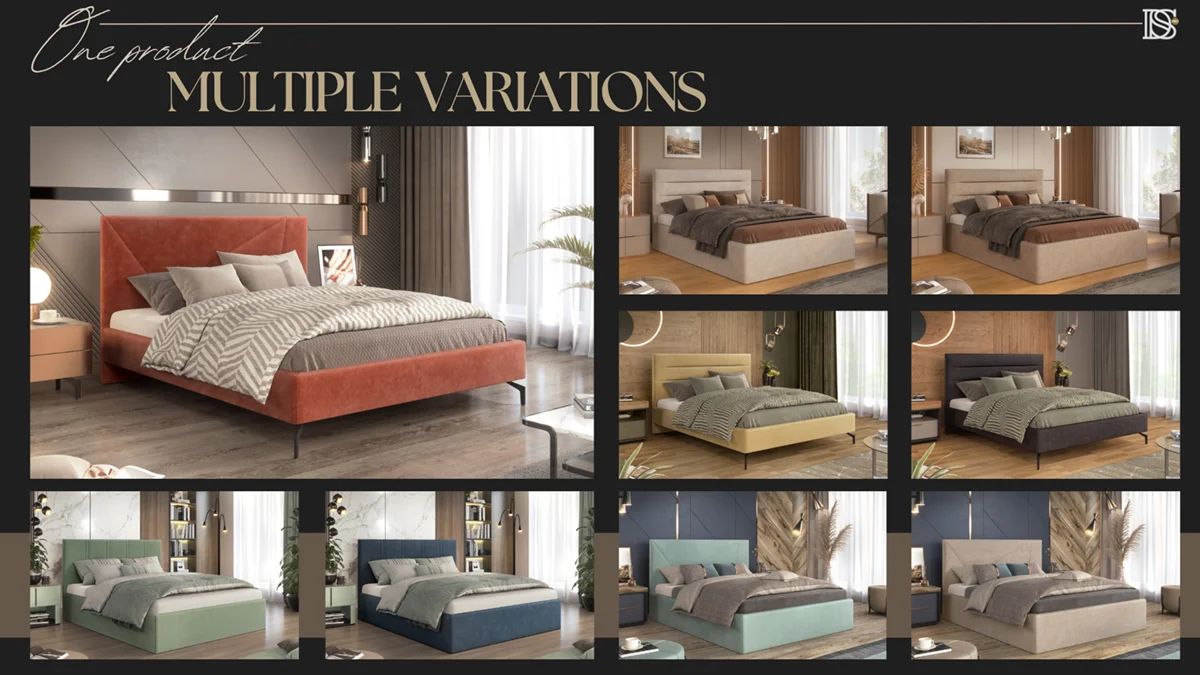
One accurate 3D model. Many ways to present your furniture.
If you need a reliable partner for 3D furniture modeling and visualization, write to us to discuss your project.